
HOW YOU CAN VISIT IN Pawtucket
Explore Slater Mill Historic Site
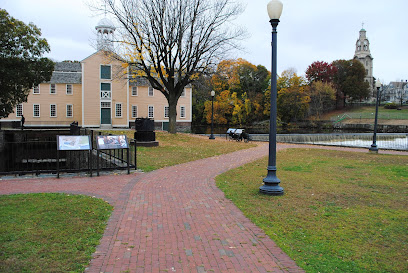
Nestled along the banks of the Blackstone River in Pawtucket, Rhode Island, the Slater Mill Historic Site stands as a testament to the region’s rich industrial heritage. Recognized as the birthplace of the American Industrial Revolution, this historic site offers visitors a fascinating glimpse into the transformative era that shaped the nation’s manufacturing and technological advancements. Let’s delve into the history, significance, and attractions of the Slater Mill Historic Site. More
History: The Slater Mill, built-in 1793, holds a significant place in American history. It was the brainchild of Samuel Slater, a skilled British immigrant and pioneer in the field of textile manufacturing. Slater brought the secrets of the spinning and weaving industry from England to Rhode Island, establishing the first successful water-powered cotton spinning mill in America. This marked the beginning of the Industrial Revolution in the United States.
The mill complex expanded over the years, incorporating additional buildings and machinery to meet the growing demand for textiles. It became a thriving hub of innovation and industry, setting the stage for the development of other mills and factories in the region. The success of the Slater Mill and the subsequent growth of industrialization in Rhode Island laid the foundation for the state’s nickname, “the birthplace of the American Industrial Revolution.”
Significance: The Slater Mill Historic Site is a National Historic Landmark and is recognized as an important symbol of America’s industrial heritage. Its significance lies in its pivotal role in transforming the country’s economy and society. The introduction of mechanized textile production techniques at the Slater Mill revolutionized manufacturing, leading to the establishment of numerous mills and factories in Rhode Island and across the United States.
The impact of the Industrial Revolution on American society was profound, as it sparked urbanization, changed labor practices, and contributed to the growth of the middle class. The Slater Mill’s legacy represents the ingenuity, entrepreneurial spirit, and innovation that propelled the nation’s industrial prowess.
Attractions and Exhibits: Visitors to the Slater Mill Historic Site can explore a range of engaging attractions and exhibits that bring the industrial past to life:
Slater Mill Museum: The centerpiece of the site, the Slater Mill Museum, offers guided tours that take visitors through the various stages of textile production. Experience the working machinery, learn about the lives of the workers, and gain insight into the technological advancements that revolutionized the industry.Wilkinson Mill: Adjacent to the Slater Mill, the Wilkinson Mill showcases early machine tools and demonstrates the engineering ingenuity of the time. Visitors can witness demonstrations of water-powered machinery and see how industrial processes were carried out.
Sylvanus Brown House: Step inside the Sylvanus Brown House, a restored 18th-century home that provides a glimpse into the lifestyle of a mill owner. The house is furnished with period pieces and artifacts, offering a window into the lives of the affluent families associated with the mill.
Riverwalk and Gardens: Take a leisurely stroll along the picturesque Riverwalk, which runs alongside the Blackstone River. Enjoy the tranquil surroundings, appreciate the natural beauty of the area, and learn about the ecological importance of the river and its role in the Industrial Revolution.
Special Exhibits and Events: The Slater Mill Historic Site frequently hosts special exhibits, workshops, lectures, and community events that delve deeper into the history, culture, and impact of the Industrial Revolution. Check the site’s schedule to see what exciting offerings are available during your visit.
Nestled along the banks of the Blackstone River in Pawtucket, Rhode Island, the Slater Mill Historic Site stands as a testament to the region’s rich industrial heritage. Recognized as the birthplace of the American Industrial Revolution, this historic site offers visitors a fascinating glimpse into the transformative era that shaped the nation’s manufacturing and technological advancements. Let’s delve into the history, significance, and attractions of the Slater Mill Historic Site.
History: The Slater Mill, built-in 1793, holds a significant place in American history. It was the brainchild of Samuel Slater, a skilled British immigrant and pioneer in the field of textile manufacturing. Slater brought the secrets of the spinning and weaving industry from England to Rhode Island, establishing the first successful water-powered cotton spinning mill in America. This marked the beginning of the Industrial Revolution in the United States.
The mill complex expanded over the years, incorporating additional buildings and machinery to meet the growing demand for textiles. It became a thriving hub of innovation and industry, setting the stage for the development of other mills and factories in the region. The success of the Slater Mill and the subsequent growth of industrialization in Rhode Island laid the foundation for the state’s nickname, “the birthplace of the American Industrial Revolution.”
Significance: The Slater Mill Historic Site is a National Historic Landmark and is recognized as an important symbol of America’s industrial heritage. Its significance lies in its pivotal role in transforming the country’s economy and society. The introduction of mechanized textile production techniques at the Slater Mill revolutionized manufacturing, leading to the establishment of numerous mills and factories in Rhode Island and across the United States.
The impact of the Industrial Revolution on American society was profound, as it sparked urbanization, changed labor practices, and contributed to the growth of the middle class. The Slater Mill’s legacy represents the ingenuity, entrepreneurial spirit, and innovation that propelled the nation’s industrial prowess.
Attractions and Exhibits: Visitors to the Slater Mill Historic Site can explore a range of engaging attractions and exhibits that bring the industrial past to life:
Slater Mill Museum: The centerpiece of the site, the Slater Mill Museum, offers guided tours that take visitors through the various stages of textile production. Experience the working machinery, learn about the lives of the workers, and gain insight into the technological advancements that revolutionized the industry.
Wilkinson Mill: Adjacent to the Slater Mill, the Wilkinson Mill showcases early machine tools and demonstrates the engineering ingenuity of the time. Visitors can witness demonstrations of water-powered machinery and see how industrial processes were carried out.
Conclusion: A visit to the Slater Mill Historic Site is a journey back in time, where you can witness the birthplace of the American Industrial Revolution. From the impressive machinery to the stories of innovation and labor, the site offers a captivating experience that educates and inspires. Explore the museum, stroll along the river, and immerse yourself in the history that shaped the nation. The Slater Mill Historic Site stands as a testament to the spirit of entrepreneurship, invention, and progress that continues to shape Rhode Island and the United States to this day. Next Article