Yes, in most cases, but your door may need some work first. A lot of Rhode Island homes went up long before smart locks existed, and old doors do not always match what these locks expect. Three things decide it: the lock you have now, the door itself, and how well that door closes. Here is what we check before we put a smart lock on an older home.
Start With the Lock You Have Now
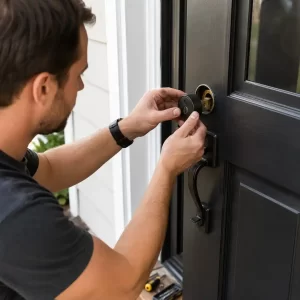
Open your door and look at the edge of it. If you see a tall rectangle of metal set into the door edge, you have a mortise lock. Those were standard in homes for decades, and most smart locks are not built to replace them. The good news is you have two ways around it. We can fit a conversion kit so a modern deadbolt sits where the mortise lock was, or we can add a smart lock that mounts over the inside of your existing deadbolt and leaves the outside of the door alone.
Measure the Door Before You Buy
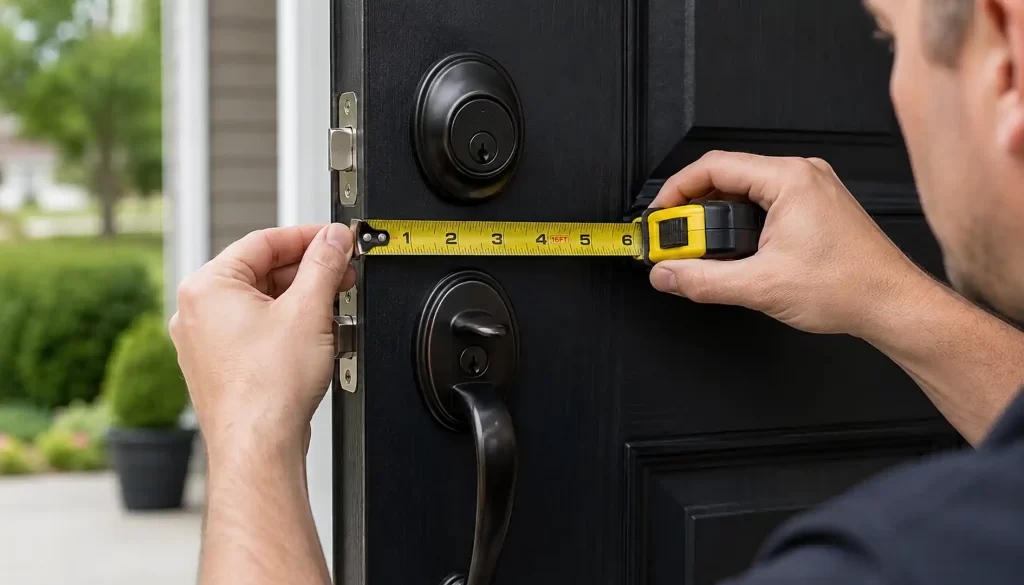
Two numbers decide whether a smart lock will even bolt on. The first is thickness, because most smart locks are made for doors between 1 3/8 and 1 3/4 inches, and older doors are sometimes thicker. The second is the backset, which is the distance from the edge of the door to the center of the round hole where the lock sits. Standard backsets are 2 3/8 or 2 3/4 inches, and older homes do not always follow the standard. Measure both before you spend money, or have us check when we come out for residential lock work.
The Door Has to Close Easily
This is the step people skip, and it causes most smart lock complaints. If you have to lift the door or lean on it to turn the bolt, a small motor has to fight that same friction every day until it burns out. Our weather makes it worse, since doors swell in humid summers and shift again in the cold. We fix the alignment first, which often means adjusting the strike plate or the hinges. That repair is cheap next to a dead lock, and you can read more about what causes sticky and failing locks.
When We Tell People to Skip It
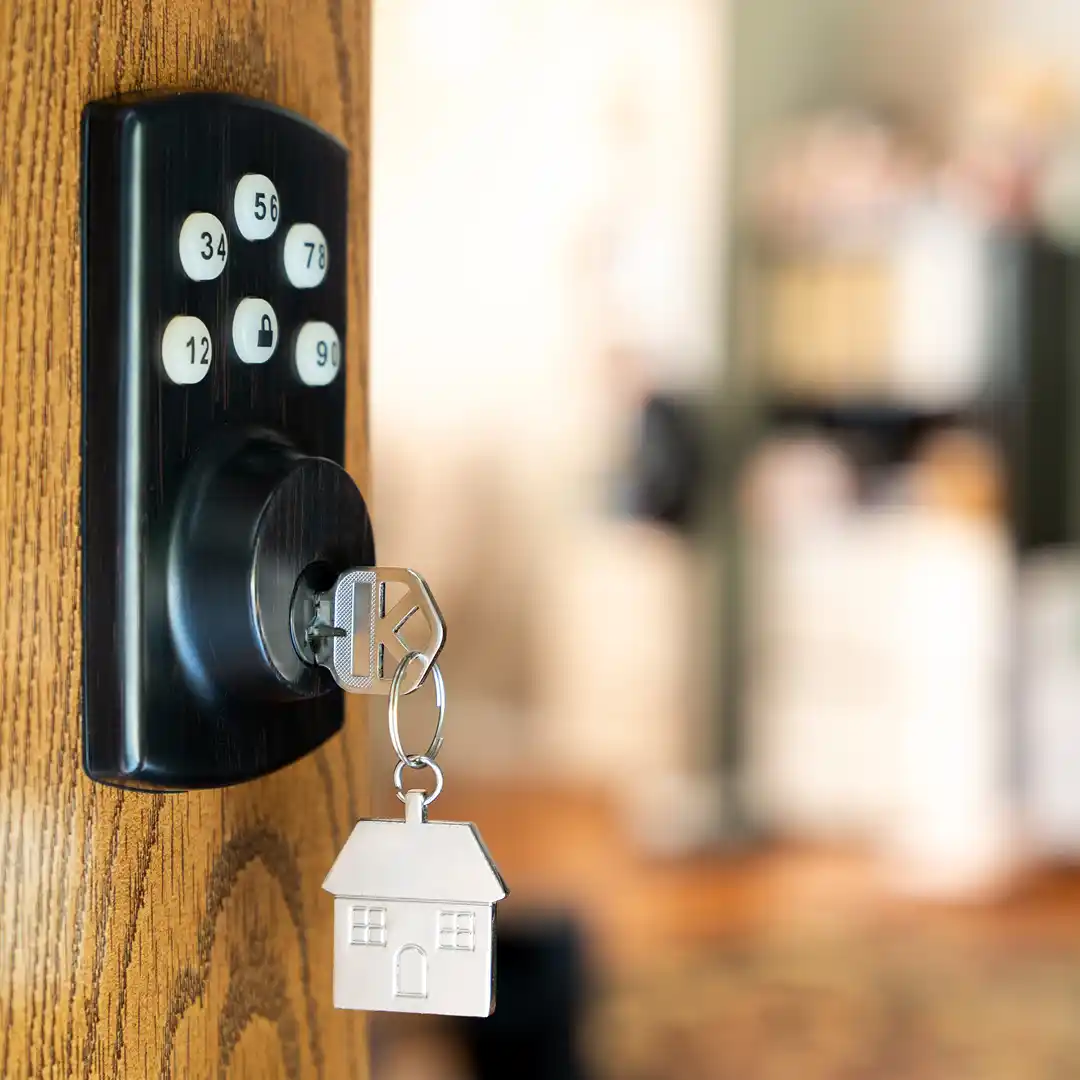
Sometimes a smart lock is the wrong buy, and we will say so. If the door is badly out of square or rotted at the bottom, fix the door before you put electronics on it. If you never need to let anyone in while you are away, a solid deadbolt costs less and will outlast any smart lock. Remember that batteries die, so pick a model with a keypad or a real key as a backup. If you are still weighing it, our post on smart locks versus traditional deadbolts covers the trade offs.
Conclusion
An older Rhode Island home is not a dealbreaker for a smart lock. Check what kind of lock is in the door now, measure the thickness and the backset, and make sure the door closes without a shove. Get those three right and a smart lock works just as well on a 1910 house as it does on a new build. If you want someone to look at your door first, contact Nobull Locksmiths and we will tell you honestly what will fit.